Why Forgiveness Sets Your Heart Free


🌅 Introduction
There are pains we learn to live with… and then there are pains that quietly imprison the heart.
You may not see the chains. You may not feel them every day. But they are there — tightening when memories resurface, when a name is mentioned in passing conversation, when an old song drifts through the radio and suddenly you're right back in the middle of something you thought you'd buried.
That's the thing about unresolved pain. It doesn't wait for a convenient moment. It doesn't knock politely and ask permission to enter. It simply shows up — in your dreams, in your reactions, in the way you flinch when someone gets too close, in the way you pull back just when love starts to feel safe again.
And somewhere in the middle of all that, someone told you to "just forgive and move on." Maybe it was well-meaning.
Maybe it came from a place of love. But if you're honest, those words probably stung a little. Because forgiveness is rarely as simple as it sounds — and for many women who have been deeply hurt, it can feel like the most impossible thing in the world.
Forgiveness is often misunderstood as weakness, surrender, or forgetting. But my friend, forgiveness is none of those things.
Forgiveness is freedom.
It is the moment your heart says, "This pain no longer gets to decide who I become."
I've seen this truth lived out quietly over the years — people choosing forgiveness not because the hurt was small, but because their future mattered more than their bitterness. Forgiveness didn't erase their story; it released them from being trapped inside it. It didn't make what happened right — it made them free.
If your heart feels heavy, guarded, or tired from carrying the past… this post is for you. You don't have to have it all figured out. You just have to be willing to take one step toward freedom. And sometimes, that step begins with simply understanding what forgiveness actually is — and what it is not.
💛 What You'll Discover
In this post, you'll discover:
- Why forgiveness heals you first — before it does anything for anyone else
- The hidden emotional and physical cost of holding onto resentment
- How forgiveness is entirely different from excusing or forgetting harm
- What Scripture teaches about freedom through forgiveness
- Gentle, practical steps to begin releasing the weight you've been carrying
- How forgiveness restores peace, clarity, and hope — even when reconciliation isn't possible
📖 Table of Contents
- Why Forgiveness Heals You First
- The Emotional Cost of Unforgiveness
- Forgiveness Is Not What You Think
- What Scripture Teaches About Freedom
- How Forgiveness Sets the Heart Free
- Gentle Steps Toward Forgiveness
- Final Encouragement
💛 Why Forgiveness Heals You First {#why-forgiveness-heals-you-first}
Let's start right here, because this is the part that changes everything.
Forgiveness is not a gift you give someone else. It is a gift you give your own heart.
Read that again, slowly. Let it settle.
When we've been deeply hurt — betrayed by a spouse, abandoned by someone we trusted, wounded by the very person who promised to love us — forgiveness can feel like it's about them. Like we're releasing them from accountability. Like we're saying, "What you did was okay." And so we hold on. We grip the resentment like it's the only justice we have left.
But here's what no one tells you about that grip: it burns the hand that holds it.
When you hold onto resentment, your body and spirit stay in a constant state of defense. The nervous system — that beautiful, intricate system God designed to keep you safe — doesn't know the difference between a current threat and a remembered one.
So every time that anger rises up, every time the wound is reopened in your mind, your body responds as if the danger is happening right now. Stress hormones flood in. Cortisol spikes. Your heart rate climbs.
Sleep becomes shallow and restless. Anxiety settles into your chest like an uninvited houseguest who has no intention of leaving.
Forgiveness shifts that internal posture. It tells your nervous system: "You can rest now." It tells your spirit: "You are no longer in danger.
" It tells your heart: "You are allowed to breathe again."
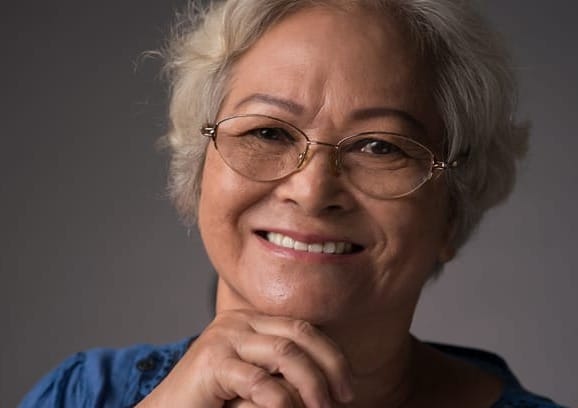
This is not wishful thinking. This is how God designed healing to work.
"Forgive, and you will be forgiven." — Luke 6:37
When Jesus spoke those words, He wasn't just outlining a moral code. He was describing a spiritual and emotional ecosystem.
Forgiveness creates space. It releases pressure. It opens a door that bitterness had bolted shut.
He was pointing us toward the very mechanism by which healing begins — not for the person who hurt us, but for the person we are becoming.
🪨 The Emotional Cost of Unforgiveness {#the-emotional-cost-of-unforgiveness}
Here is something I want you to sit with for a moment, because this truth has the power to change your perspective entirely:
Unforgiveness doesn't punish the person who hurt you. It exhausts the one carrying it.
The person who betrayed you may be sleeping just fine tonight. They may have moved on, rebuilt their life, found new love, or simply never looked back.
And yet here you are — replaying conversations in your mind at 2 a.m., rehearsing what you should have said, imagining the confrontation that never came, carrying the weight of something they did.
That is the cruelest twist of unforgiveness. It masquerades as self-protection, but it is actually self-destruction in slow motion.
It affects your peace. The mind replays the conversations. It rehearses the injustice over and over again, searching for resolution that never comes.
You hear an old song that once played in the background of a beautiful memory, and suddenly your chest tightens. You smell a particular cologne, and the wound feels as fresh as the day it first opened.
Sleep becomes restless. Peace feels like a foreign country — one you used to live in but can no longer find on the map.
It shapes your relationships.
One of the quietest, most insidious things unforgiveness does is cause us to punish people who had nothing to do with the original wound.
Walls go up. Trust becomes nearly impossible. New people — people who may be genuinely good, genuinely safe, genuinely loving — pay the price for what someone else did years ago.
You find yourself waiting for the betrayal that hasn't come yet. Bracing for the disappointment. Holding love at arm's length because the last time you let someone in, it cost you everything.
It drains your emotional energy.
Anger and bitterness require enormous effort to maintain.
You ever had to remind yourself that you're suppose to be angry ... 🤣
Think about how exhausting it is to stay angry over a long period of time. The mental rehearsal. The emotional vigilance. The energy spent reliving, re-feeling, reimagining.
That is energy — precious, God-given energy — that could be flowing into your healing, your joy, your future, your purpose.
It keeps the wound alive. Every time you revisit the memory with bitterness, you reopen the wound.
It's like picking at a scab that is trying to heal. The body — and the heart — can only close over an injury if it is given a chance to rest. Unforgiveness refuses to let it rest. It insists on keeping the injury exposed, raw, and bleeding.
I share all of this not to pile guilt on top of pain. I share it because you deserve to understand what unforgiveness is really costing you. Not what it's doing to them — what it's doing to you.
Because when you see the full price tag, forgiveness stops looking like a sacrifice and starts looking like mercy… for yourself.
🌿 Forgiveness Is Not What You Think {#forgiveness-is-not-what-you-think}
Before we go any further, we need to clear away some of the most damaging misconceptions about forgiveness, because these misunderstandings are often what keep people stuck.
Let's start with what forgiveness is not.
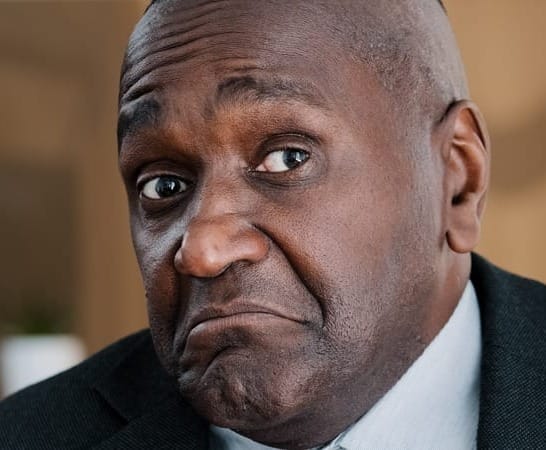
Forgiveness is not forgetting what happened.
God gave you a memory for a reason. Wisdom learned through pain is still wisdom, and you are allowed — even encouraged — to hold onto the lessons while releasing the bitterness. You can remember clearly and still choose to forgive. These two things are not in conflict.
Forgiveness is not excusing harmful behavior.
What happened to you may have been deeply wrong. It may have been cruel, selfish, or even abusive. Forgiveness does not whitewash any of that.
It does not rewrite history or remove accountability. The person who hurt you is still responsible for what they did.
Forgiveness simply means you are no longer willing to let that wrong continue to define your emotional reality.
Forgiveness is not re-entering unsafe relationships. This one is so important, and it is perhaps the greatest misconception of all. Forgiving someone does not mean you are required to restore the relationship. It does not mean you give them access to your life, your trust, or your heart again. Forgiveness and reconciliation are two entirely different things — and only one of them is required for your healing. You can forgive someone fully and completely while maintaining firm, healthy boundaries that protect your peace.
Forgiveness is not trusting too soon. Trust is rebuilt through demonstrated behavior over time. Forgiveness can be extended in a moment. But trust — real, earned trust — is a process. You are not spiritually obligated to rush it.
Forgiveness is not denying your pain. Your pain is real. What you experienced was real. Forgiveness does not ask you to pretend otherwise. It invites you to feel the full weight of what happened and then choose to release it — not because it didn't matter, but because you matter too much to stay imprisoned by it.
Now let's talk about what forgiveness is.
Forgiveness is releasing the need for revenge — that quiet, deep longing for the other person to feel what they made you feel. It is surrendering the scales to God and trusting that justice belongs to Him. It is choosing peace over the endless, exhausting cycle of replaying and reliving.
Forgiveness is letting go of emotional control — removing the other person's ability to determine your internal state. It is reclaiming the power over your own peace.
Forgiveness is choosing grace — not because grace was deserved, but because grace is what sets you free.
And perhaps most beautifully, forgiveness is allowing God to heal what you cannot heal on your own. It is opening your hands, releasing what you've been gripping so tightly, and trusting that He can restore what was broken in ways you cannot yet imagine.
📖 What Scripture Teaches About Freedom {#what-scripture-teaches-about-freedom}
The Bible is not quiet on this subject. From Genesis to Revelation, the story of Scripture is largely a story about forgiveness — divine forgiveness extended to flawed, wounded, broken human beings, and the freedom that flows from receiving and giving it.
"You will know the truth, and the truth will set you free." — John 8:32
Here is the truth that Jesus is pointing us toward: Holding onto pain feels protective. It feels like armor. It feels like the only power we have left when someone has taken so much from us.
But that armor is actually a prison. And the very thing we think is keeping us safe is keeping us from living fully.
The Apostle Paul, writing from an actual prison cell, understood something remarkable about freedom.
He wrote in Philippians 4:7 about a peace that "surpasses all understanding" — a peace that guards the heart and mind. That peace is not circumstantial. It doesn't depend on the person who hurt you apologizing, or the situation being resolved, or justice being served. It is a peace that comes from surrender — from placing the wound in God's hands and trusting Him with the outcome.
And then there is perhaps the most powerful model of forgiveness in all of human history — Jesus on the cross.
He was betrayed by one of His closest friends. He was abandoned by those who swore they would never leave Him. He was mocked, accused falsely, and subjected to the most brutal form of execution imaginable. And in the midst of all of that — in the very depths of suffering —
He said, "Father, forgive them, for they know not what they do." (Luke 23:34)
He did not forgive because the betrayal didn't hurt. He was fully human, and He felt every ounce of it. He forgave because love is stronger than pain. He forgave because freedom — for all of us — depended on it. And in doing so, He showed us the way.
🌅 How Forgiveness Sets the Heart Free {#how-forgiveness-sets-the-heart-free}
When forgiveness begins to take root — not as a one-time declaration, but as a genuine, repeated choice — something extraordinary starts to happen inside you.
It loosens emotional chains. You stop reacting from old wounds. A comment that would have triggered a flood of emotion six months ago barely registers now. You realize one day that you went an entire week without thinking about what happened — and for the first time in a long time, that feels like grace.
It restores inner calm. Peace becomes familiar again. Not the brittle, forced kind of peace where you're white-knuckling your emotions — but a genuine, settled quietness. The kind where you can sit still without the past rushing in to fill the silence.
It clears mental space. Your thoughts no longer orbit the hurt. The mental real estate that was consumed by anger, rehearsal, and replay slowly opens up — and you find yourself thinking about the future again. About what you want. About who you're becoming. About the goodness that might still be ahead.
It renews hope. This is one of the most beautiful gifts of forgiveness — you begin to imagine joy again. Not the guarded, suspicious kind, but genuine, open-hearted hope. You start to believe that your story isn't over. That love is still possible. That healing is not just a concept but a lived reality you are moving toward, one day at a time.
It reclaims your power. The person who hurt you no longer controls your emotions, your reactions, your days, or your dreams. You take that power back. Not in a vengeful way — in a free way. In a way that says, "My life belongs to God and to me — not to what was done to me."
Forgiveness doesn't erase the scar — but it removes the poison. The scar may always be there, a reminder of what you survived. But survival and imprisonment are very different things. Forgiveness is the door between them.
🌱 Gentle Steps Toward Forgiveness {#gentle-steps-toward-forgiveness}
Forgiveness is a process, not a single moment. It is less like flipping a light switch and more like tending a garden — it requires patience, repetition, and grace for yourself when progress feels slow.
Here are gentle steps to help you begin:
1. Acknowledge the hurt honestly. Don't minimize it. Don't rush past it. Name it. Feel the full weight of what was done. God is not asking you to pretend it didn't happen — He's asking you to bring it to Him as it actually is. You cannot release what you refuse to acknowledge.
2. Bring it to God — repeatedly. Some wounds require daily surrender. That is not weakness. That is wisdom. There will be mornings when you wake up and the anger has returned, and that is okay. You bring it back. You lay it down again. You say, "Lord, I can't carry this today. I'm choosing to release it to You — again." And He receives it — every single time.
3. Separate the person from the pain. This takes practice, but it is transformative. The person who hurt you is a flawed, broken human being — just as we all are. That doesn't excuse what they did. But it helps release the emotional stranglehold when we can see them as wounded people who wounded people, rather than monsters we must perpetually battle.
4. Choose forgiveness before your feelings catch up. Here is one of the most important truths about forgiveness: it is a decision that emotions often follow later. You may not feel like forgiving. You may not feel any warmth or release in the moment. Choose it anyway. Say it aloud. Write it in your journal. Act on it in prayer — and trust that your feelings will gradually align with the choice you are making.
5. Speak forgiveness aloud. Words carry remarkable power, especially when spoken in prayer or quiet declaration. Something shifts when we move forgiveness out of the abstract realm of thought and give it language. Try saying, simply and sincerely: "I choose to forgive [name] for [what they did]. I release this to God." You may need to say it a hundred times. Say it a hundred times.
6. Maintain wise boundaries. Forgiveness does not require vulnerability without safety. You can forgive someone and still say, "That relationship is not healthy for me." Healthy boundaries are not barriers to forgiveness — they are evidence of wisdom and self-respect. God does not ask you to return to unsafe places in the name of grace.
7. Repeat as needed. Layered pain requires layered healing. Deep wounds don't heal in a single session of prayer. Be patient with yourself. Celebrate small victories. And remember that every time you choose forgiveness — even imperfectly, even while you still feel the sting — you are loosening the grip of the past just a little bit more.
Each step is a step closer to freedom.
🌄 Final Encouragement {#final-encouragement}
My friend, forgiveness is not weakness — it is strength under grace.
It takes more courage to forgive than to hold on. It takes more strength to release than to grip. And it takes a profound kind of faith to trust that God can bring beauty from the ashes of what someone else burned down in your life.
You don't forgive because the hurt didn't matter. You forgive because you matter. Because your future matters. Because the life God still has ahead of you is worth more than the bitterness that has been keeping you chained to the past.
And as you loosen your grip — one prayer at a time, one day at a time, one act of surrender at a time — you'll begin to feel it. That quiet, unmistakable sensation of freedom returning to your heart. The lightness. The exhale. The sense that something heavy is finally being lifted.
Forgiveness sets the heart free.
And freedom is where healing truly begins.
With love and belief in your journey, Nathaniel Creator, 2nd Chance Love
💬 Ready to Take the Next Step?
If this post stirred something in your heart — if you felt even a flicker of recognition, a whisper of hope — I want you to know that you don't have to walk this road alone.
✨Here's your next step: Download our free guide, "The First Steps to Forgiveness," and begin your journey toward a heart that is truly free. Or explore the other posts in this Pathway to discover how forgiveness connects to every part of your healing.
👉 [Link to related Pathway posts] 👉 [Link to free resource or next post in the cluster]
Your healing is not just possible — it is waiting for you